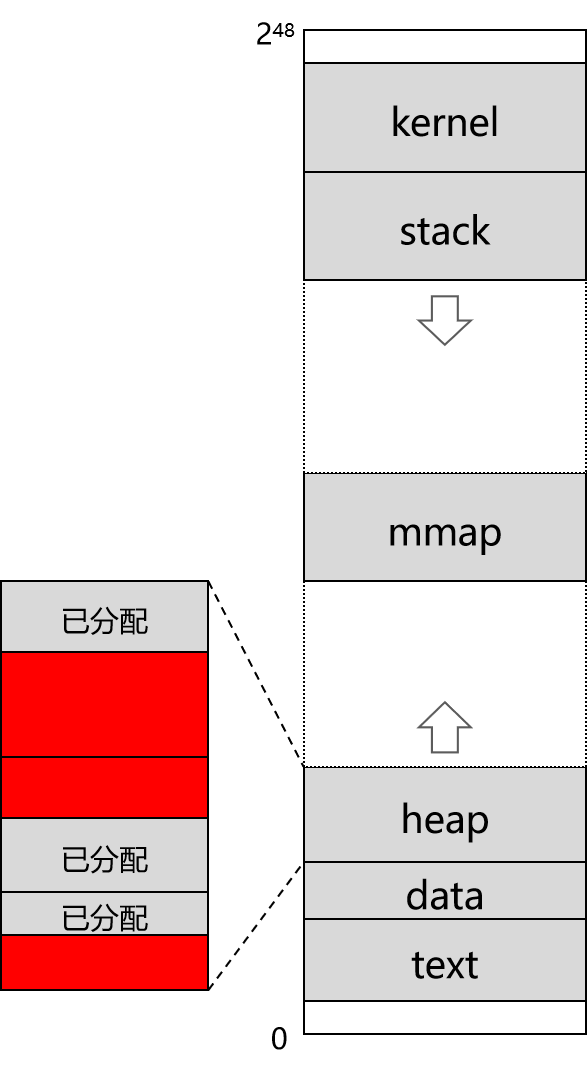


在 C++ 开发中,内存越界问题难以排查。使用 Google 的 Address Sanitizer (ASan) 工具可以有效定位内存错误。通过编译参数 -fsanitize=address 启用 ASan,能够检测堆越界等错误,并提供详细的错误信息和堆栈跟踪,从而提高代码的安全性和稳定性。
这篇文章仍然在积极建设中
文章讨论了Sanitizer在二进制层面的现状与挑战,重点分析了Address Sanitizer和Binary Thread Sanitizer的实现及其局限性,包括信息丢失、性能开销和可移植性等问题,提出了成功标准,并探讨了将现有Sanitizer移植到二进制层面的可行性。
Sanitizer是由Google发起的开源工具集,用于检测内存泄露等问题。它包括了AddressSanitizer、MemorySanitizer、ThreadSanitizer、LeakSanitizer等多种工具。这些工具最初是LLVM项目的一部分,后来也被GNU的GCC编译器支持。Sanitizer的使用例子包括捕捉栈缓冲区溢出问题和使用已释放内存问题。Sanitizer检测器不能同时使用,需要单独挨个检测。
As a follow-up to the most recent Okta breach, we are making a HAR file sanitizer available to everyone, not just Cloudflare customers, at no cost.
1. Introduction CUDA 10.1推出了新的API:The Compute Sanitizer API,提供了更底层更丰富的Instrumentation API。 https://docs.nvidia.com/cuda/sanitizer-docs/SanitizerApiGuide/index.html 目前相关文档还比较简单,本文记录下官方Samp
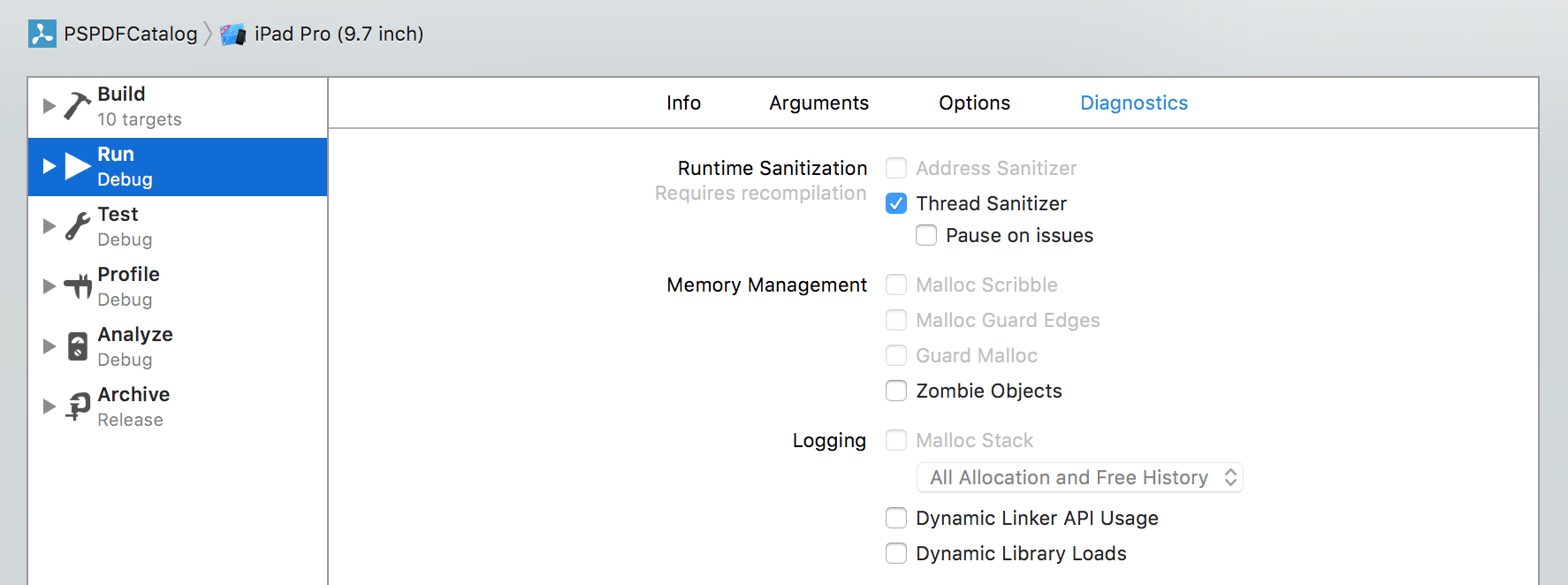
Clang的AddressSanitizer是一款强大的内存错误检测工具,自2010年以来不断发展。它能够快速发现内存错误,帮助开发者更自信地修复问题。开发者可以通过配置文件在iOS和Android上轻松启用该功能。尽管可能会遇到一些已知问题,但通过适当的设置和抑制列表,可以有效管理这些问题。结合ASan和其他工具(如ThreadSanitizer)可以显著提高代码的稳定性和安全性。
[This article is re-posted in a slightly expanded form from Marshall's blog]I've been running the libc++ tests off and on for a while. It's a quite extensive test suite, but I wondered if there...
完成下面两步后,将自动完成登录并继续当前操作。